CoRL 2026/November 12, 2026/Austin, Texas
Workshop on Agentic Robotics
What changes when an agent must reason, act, and recover on a real robot.
Across the broader AI field, agents increasingly operate by decomposing tasks, generating code, calling tools, managing memory, and revising plans based on intermediate feedback. This pattern is spreading to robotics, where reasoning, skills, and verification are composed at inference time on top of learned policies. Bringing the paradigm onto physical robots, however, surfaces challenges absent from digital settings: actions are continuous and irreversible, observations are noisy and partial, and decisions must be made in real time. We call this emerging area the study of agentic robotics.
Research on agentic robotics is currently distributed across several communities — foundation-model and VLA researchers building reasoning loops on learned policies, planning researchers using language models as abstractions, control and policy-learning researchers studying long-horizon execution, and software-agent researchers extending their methods to embodied tasks. These efforts share substantial common ground but rarely meet in the same session. This workshop creates that forum, with the explicit aim of surfacing shared open problems and points of disagreement across these communities.
Open Problems
The workshop organizes around six concrete open problems where the agent paradigm meets the physical world.
The agent–policy seam
Where should the boundary fall between the reasoning layer and the motor layer — downloadable code libraries, fixed primitives, learned skills, or monolithic vision-language-action models? Is a factored agent–policy split a durable architecture for robotics, or a temporary scaffold that scaling will absorb?
Real-world self-improvement
Closed-loop agentic systems can drive real-world self-improvement pipelines such as real-world RL and physical auto-research. How do we build an agent system that manages this without human intervention?
Abstraction-aware guiding
Feedback can be injected mid-trajectory at many levels of abstraction. How should a system route corrections to the level where they generalize best — language feedback to the agent for task logic, kinesthetic feedback to the policy for motor primitives — rather than smearing supervision across a monolithic model?
Simulation as the data multiplier
With controlled environments and verifiable rewards, how can we best leverage agentic systems to hill-climb research and generate data in simulation?
Zero-shot composition
Novel task structure is currently most accessible through an agent layer riding the foundation-model flywheel. Can monolithic VLA models absorb compositional capability through scaling, or is architectural factoring the only known route to zero-shot task composition?
Evaluating agentic robotic systems
What does an honest benchmark look like for systems that are multi-turn, multi-abstraction, and evaluated across simulation and reality? If “the agent decided to try again” is itself a behavior under test, how do we measure recovery without rewarding benchmark gaming?
An Interactive Live Demo Session
The workshop is built around live demonstrations and audience-driven discussion rather than a sequence of talks. Each demonstrator gives a short pitch, then runs the system live on a physical robot or in simulation while the audience suggests tasks, probes failure modes, and — where feasible — operates it directly. Short framing talks anchor the demos in concrete open problems, a fishbowl discussion rotates demonstrators, speakers, and attendees through one conversation, and a closing synthesis seeds a community position paper developed after the conference as the workshop artifact.
Standardized workshop tasks
A small suite of diagnostic tasks spanning tabletop manipulation, mobile manipulation, and navigation — chosen to expose the seams between perception, reasoning, skill selection, control, and recovery.
Open call for demos on provided platforms
Robot, compute, and an API for perception and control are ready on-site — submit an agentic system and run it on a platform we provide. Planning, VLA, memory, verification, and tool-use agents can participate without shipping their own hardware.
Bring-your-own demos
Bring your own robots, portable setups, or simulation demos to broaden the session beyond any single embodiment. The organizers help with shipping and logistics.
Invited Speakers
Short framing talks bring together researchers spanning foundation models and VLA, planning, control and policy learning, and software agents — the communities whose work converges on agentic robotics.
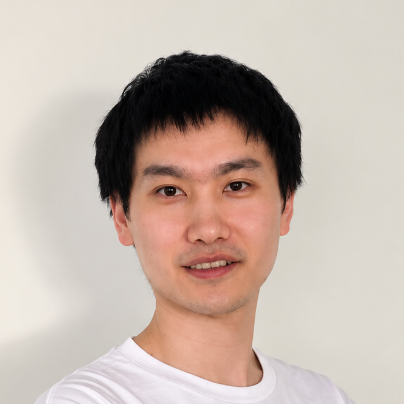
Ran Zhang
Tencent Video AI Center
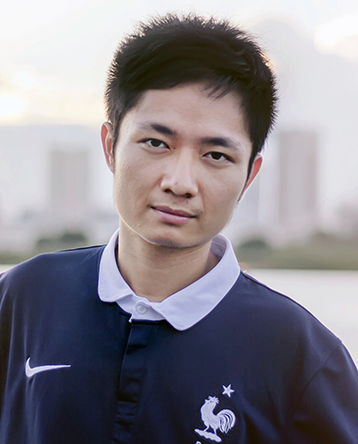
Guanya Shi
Carnegie Mellon University
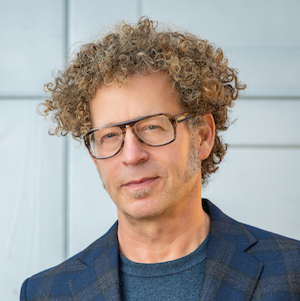
Ken Goldberg
UC Berkeley
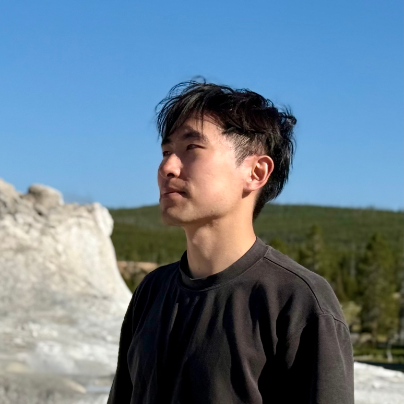
Wentao Yuan
Google Gemini Robotics

Jonathan Tremblay
NVIDIA
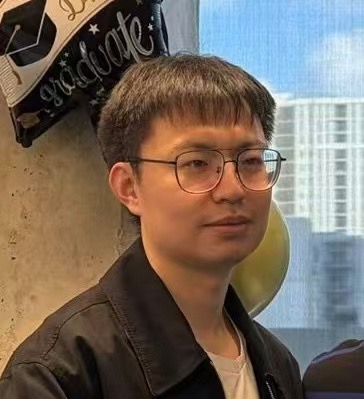
Tianyu Li
Dexmate
Schedule
TentativeAn afternoon program centered on live demonstrations and audience-driven discussion.
14:00 – 14:15
Opening remarks & workshop overview
14:15 – 15:40
Invited talks & demo preparation
15:40 – 16:00
Coffee break
16:00 – 18:00
Live demos & poster session
Call for Contributions
We invite contributions across two tracks — a Demo Track and a Poster Track — addressing the workshop's open problems.
All submissions are reviewed single-blind via OpenReview.
Deadline
September 27, 2026
11:59 PM Anywhere on Earth
Submissions Close In
Demo Track
We bring the robot, you bring the agent demo — robot, compute, and an API for perception and control are ready on-site.
Submit a video proof of your system running to be considered, plus a description of hardware and software requirements.
We especially encourage demos that can be operated by audience members, span multiple open problems, or explicitly surface failure modes.
A Best Demo Award carries a $1,000 prize.
View Demo PlatformsPoster Track
Submit papers of up to 8 pages plus an unlimited appendix, in the CoRL template, reporting research, position arguments, or work in progress on the workshop themes.
Each submission receives at least two reviews from a program committee of 15–20 researchers across the relevant communities.
Organizers
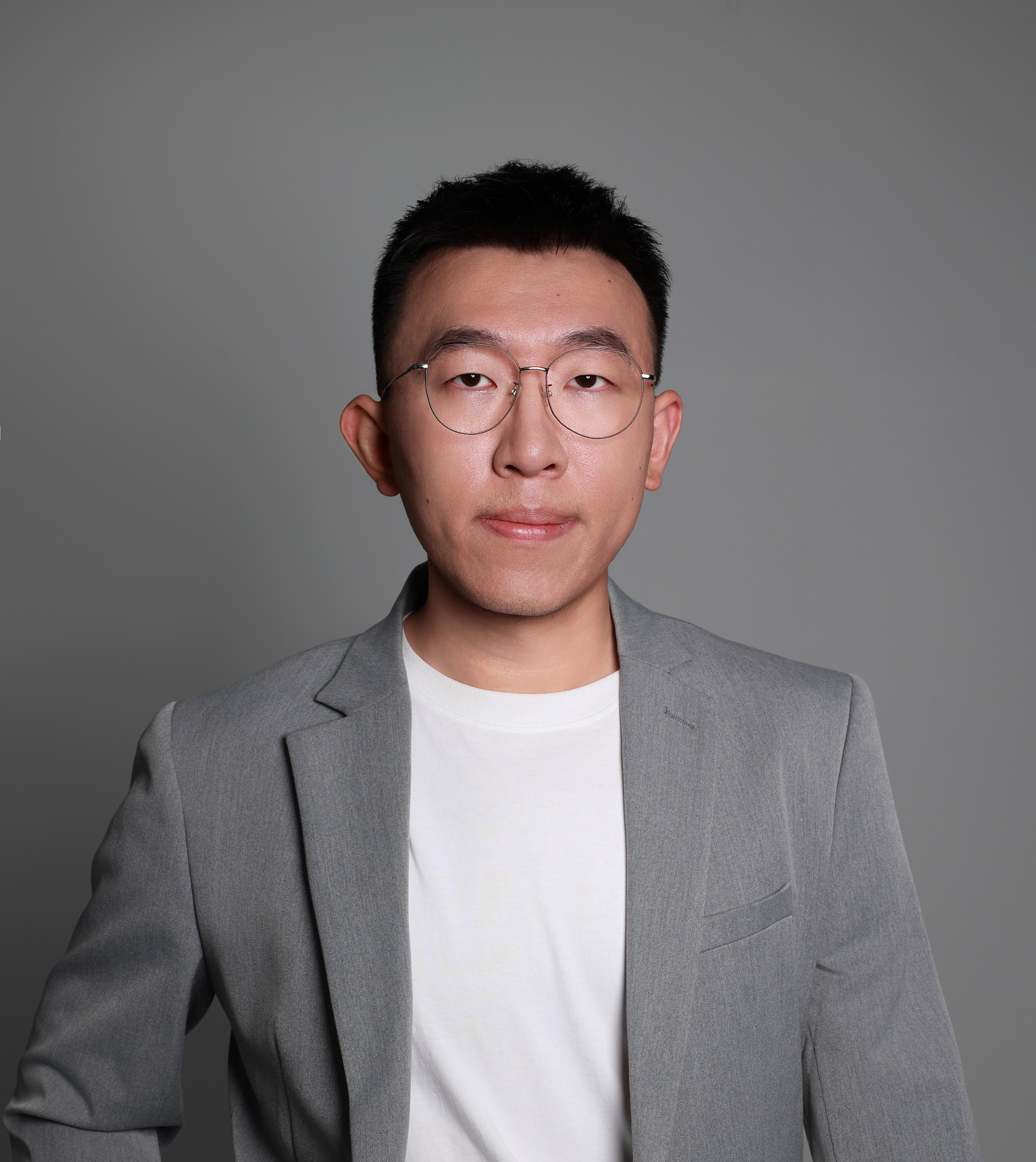
Tianyu Shi
McGill University
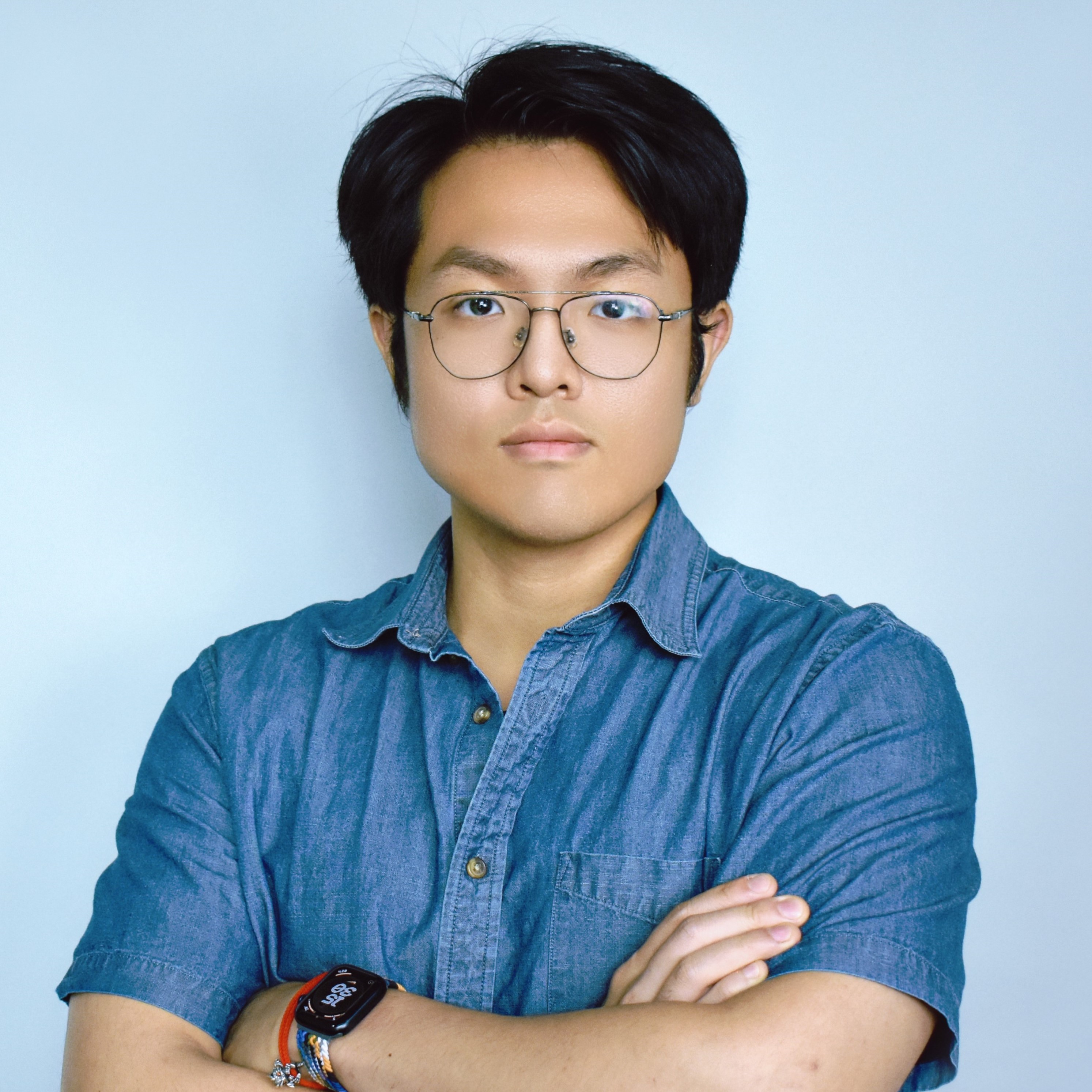
Gaotian Wang
Rice University
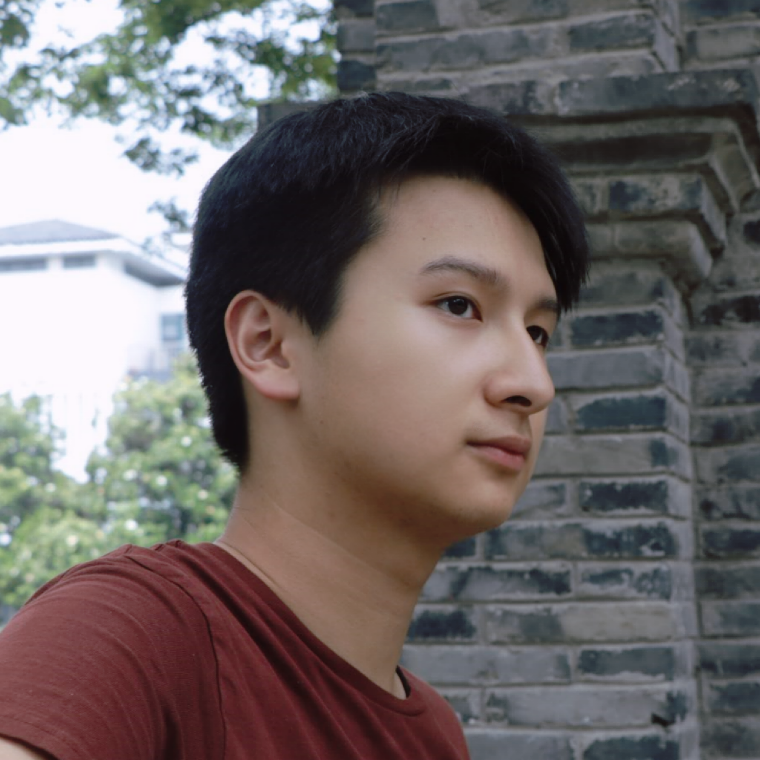
Haoru Xue
UC Berkeley
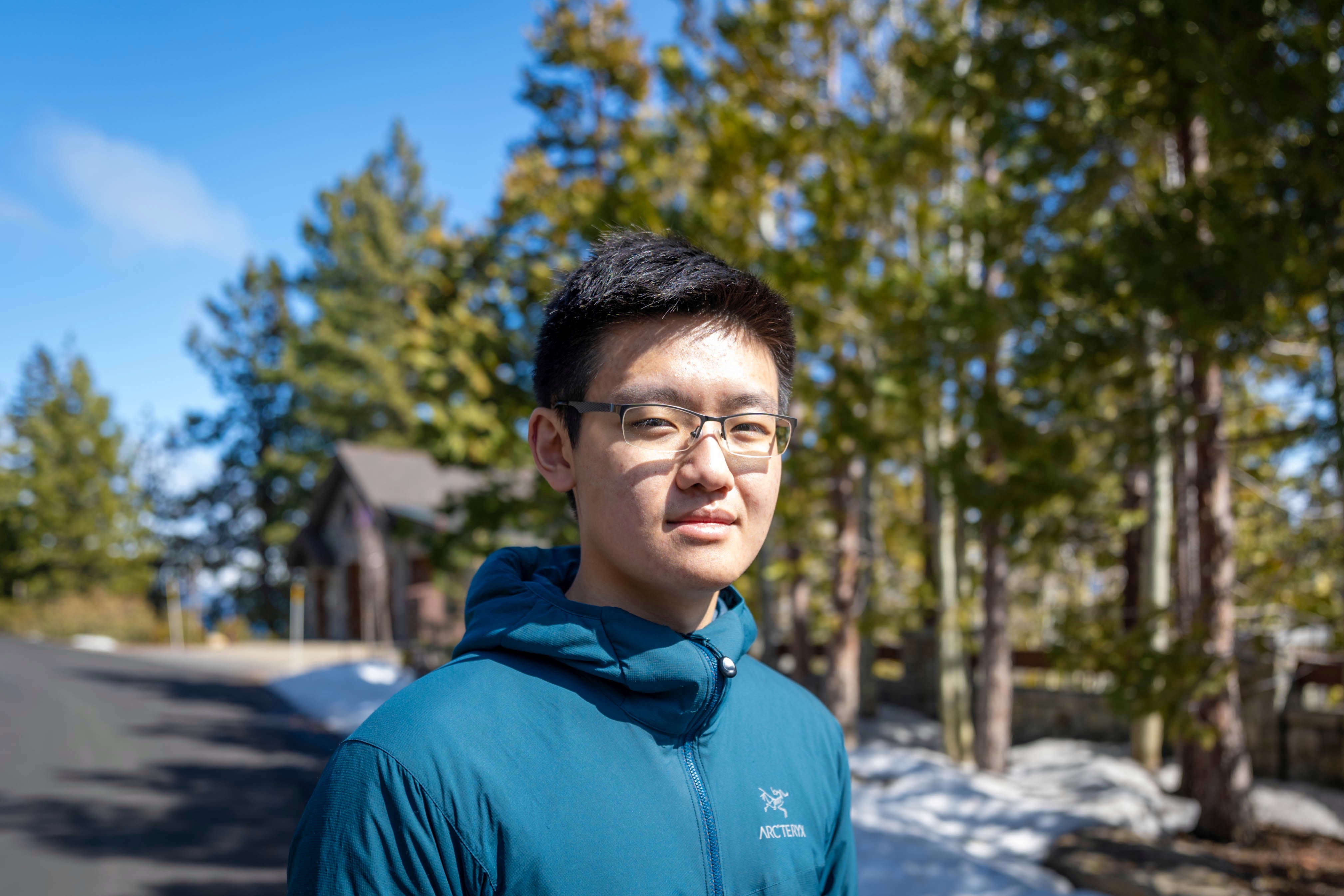
Max Fu
UC Berkeley
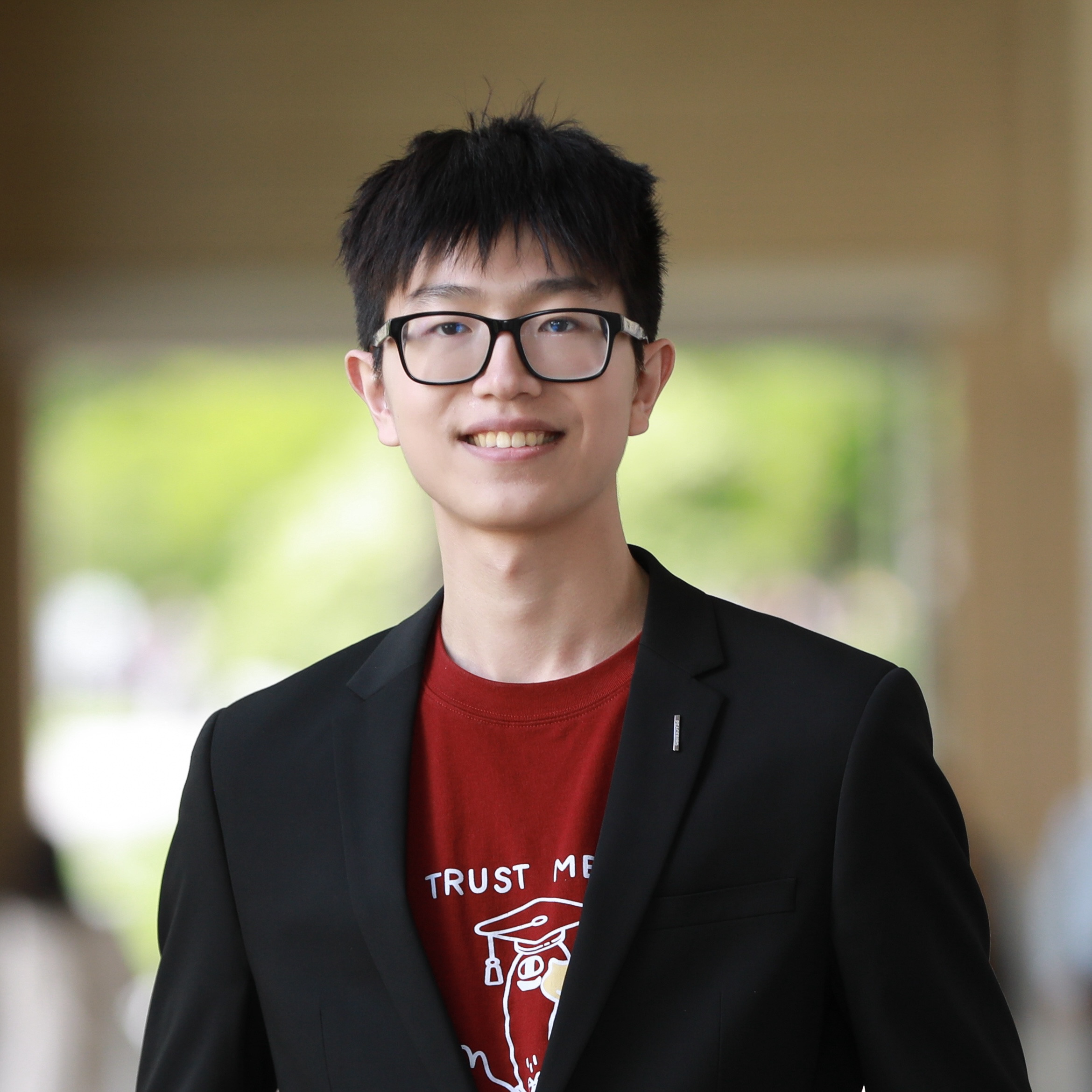
Wenli Xiao
Carnegie Mellon University
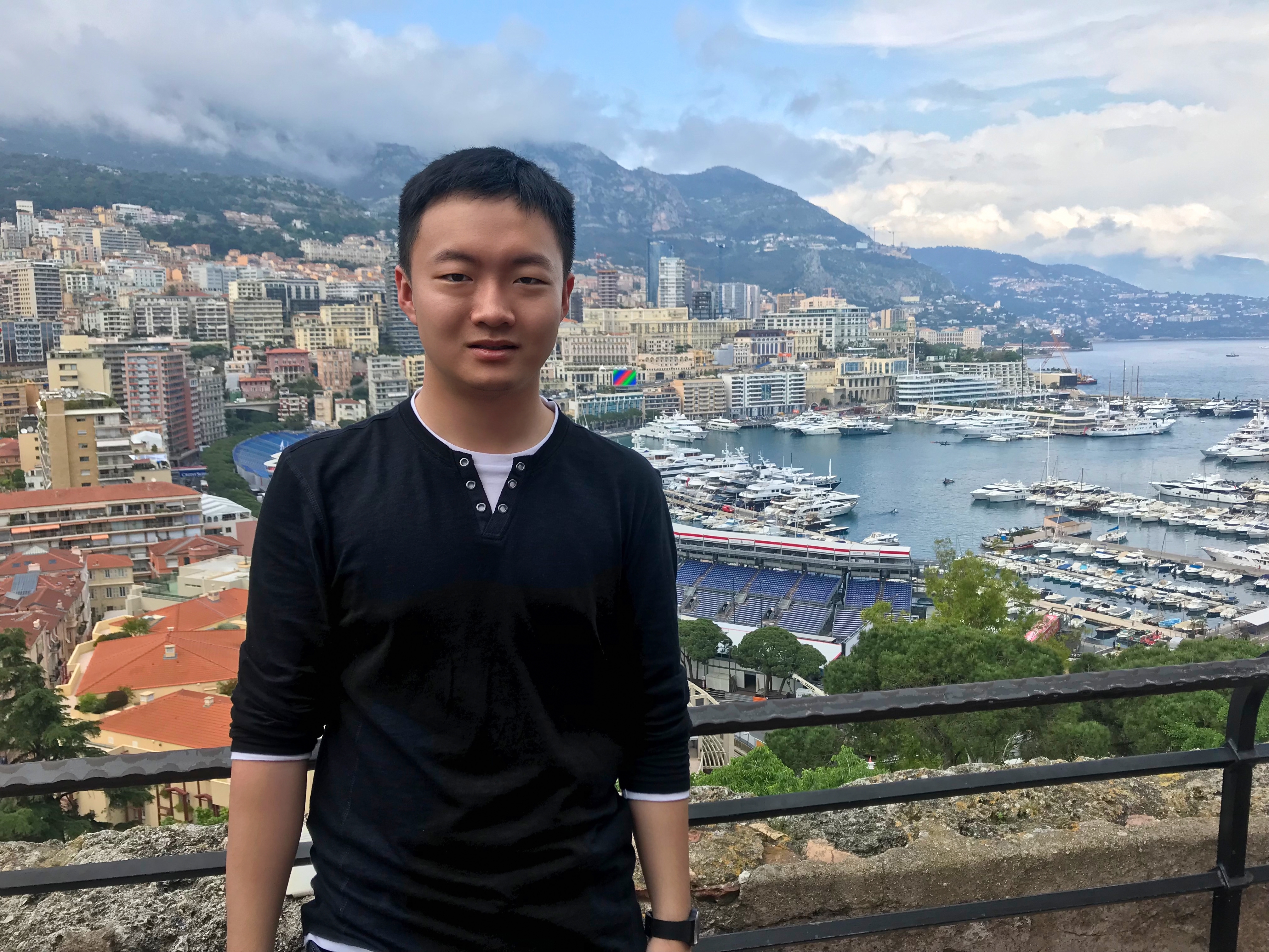
Lingfeng Sun
UC Berkeley
Yifei Shao
University of Pennsylvania
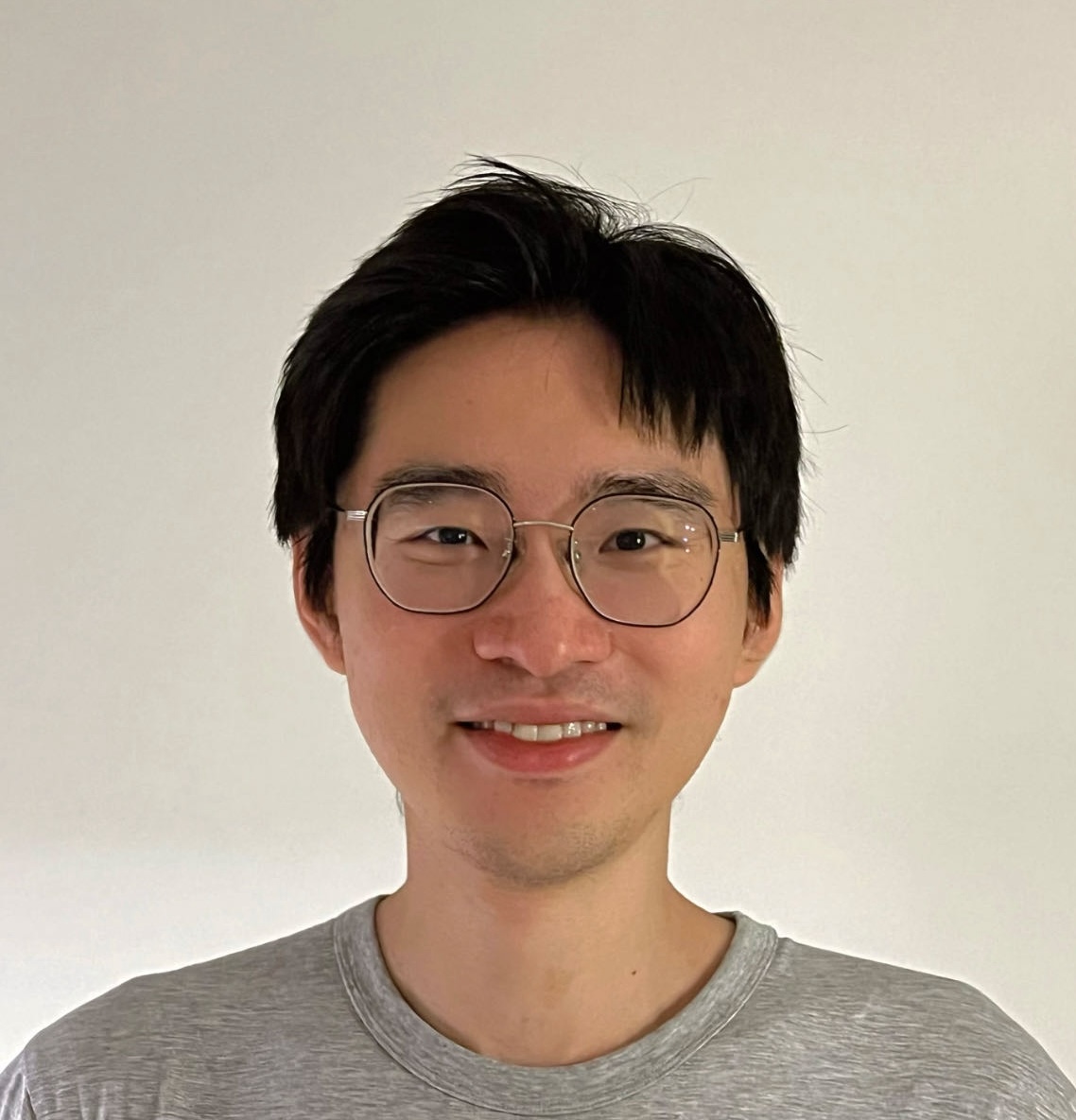
Tianyu Li
University of Pennsylvania

Jiayuan Mao
University of Pennsylvania & Amazon FAR
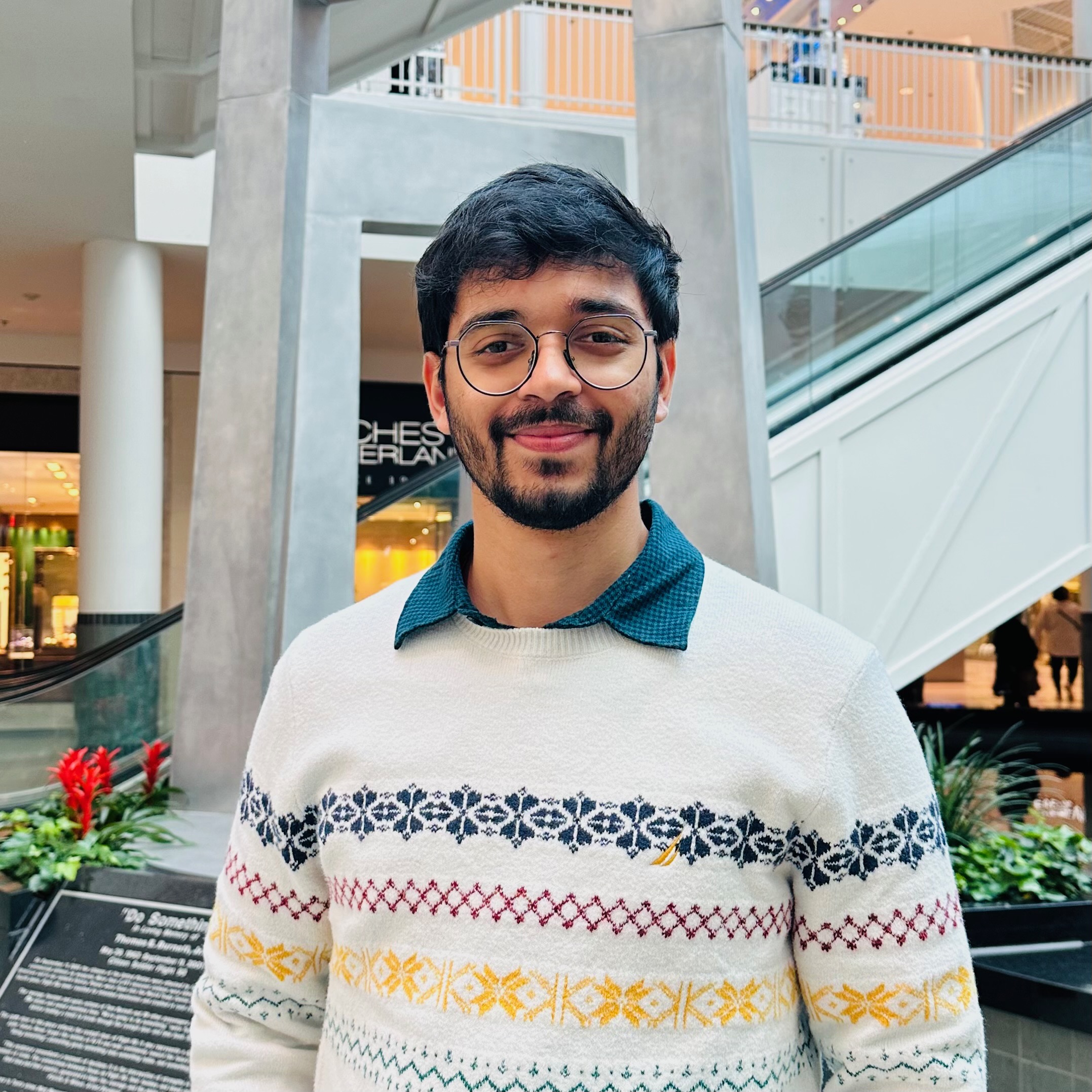
Utkarsh Mishra
Georgia Tech

Siyi Chen
University of Michigan
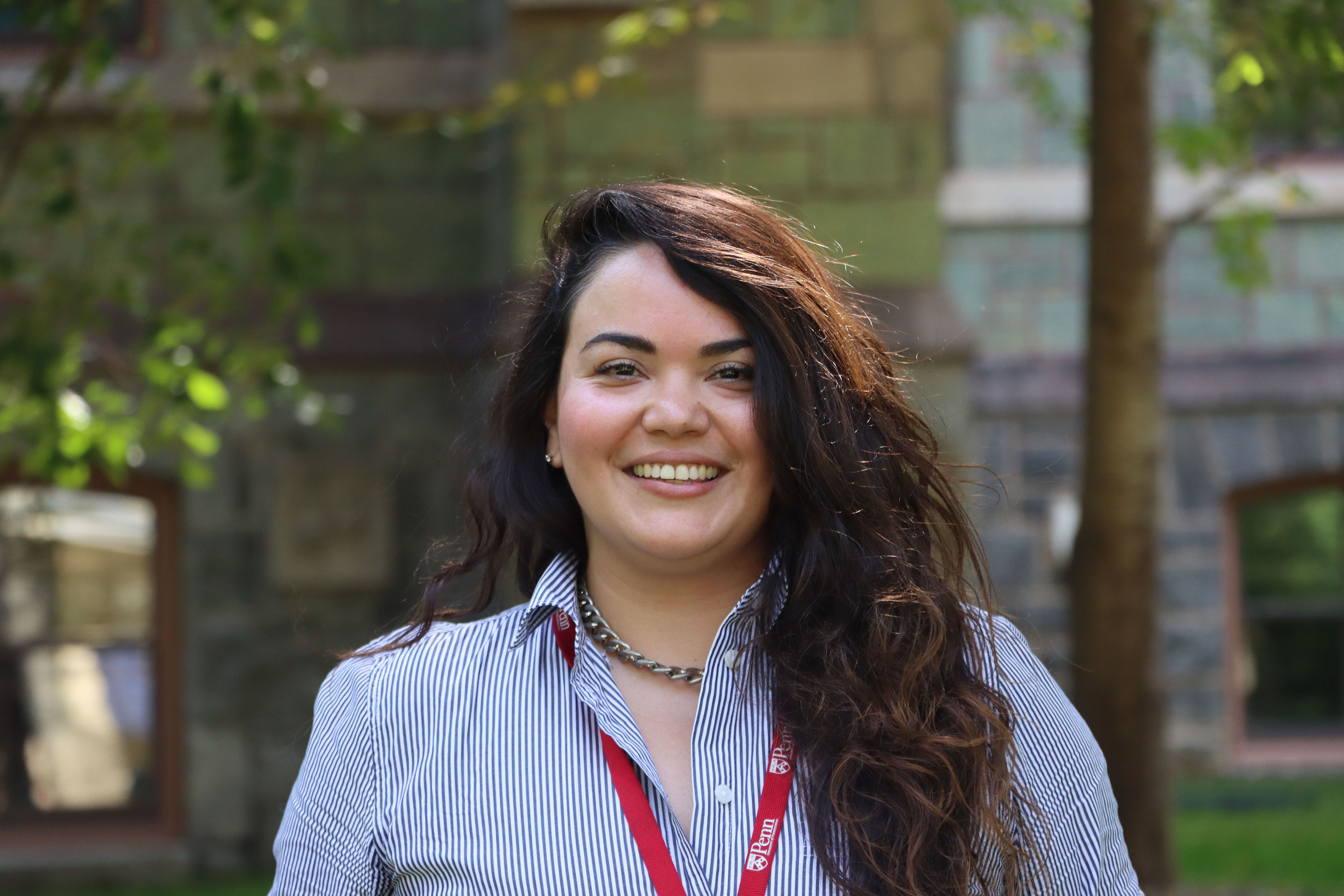
Nadia Figueroa
University of Pennsylvania